

Diesel vs Synthetic Oil: What’s Actually Best for Your Engine in 2026?
April 28, 2026
The Fleet Manager’s Guide to Cost-Efficient Oil Changes
May 21, 2026
Recently updated on July 29th, 2026
Your tires put in continuous work while you’re out there on the road and endure a wide range of conditions — both environmental and the conditions under different loads and configurations. They are a continuous expense, although they, thankfully, don’t need to be replaced as often as your fuel tanks need to be refilled. Taking care of your truck is a way to keep it running efficiently, which, in turn, takes some pressure off your budget by avoiding wasted expenses on fuel, tires, oil changes, or added miles and wear and tear due to inefficient routing.
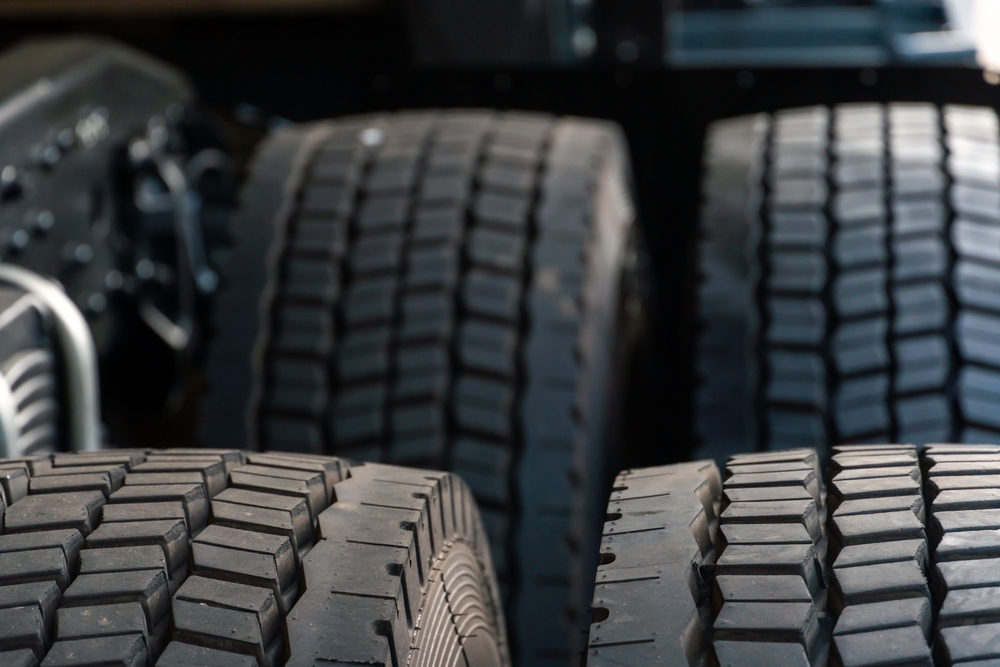
Tire maintenance is as important, if not more important, than keeping up with oil changes and staying on top of the rest of your preventative maintenance tasks. Imbalanced tires can wreak havoc on your suspension and alignment, which can lead to a host of other downstream issues you’ll end up dealing with. Or, you can stay on top of caring for your tires, improve your fuel efficiency, avoid alignment and suspension issues stemming from bad tires, and a lot of other benefits, all of which will translate to fewer operating expenses. Additionally, an unscheduled tire repair on the roadside is going to cost you anywhere from 3 to 5 more than a scheduled repair in the shop. It’s a win-win.
Here’s something to consider: according to the NHTSA, roughly 11,000 passenger vehicle crashes each year are due to tire-related issues, and tire problems like blowouts and tread separations contribute to 6-7% of all large truck crashes. A crash is an expensive and dangerous situation, and you can reduce your risk by taking care of your tires.
Understanding Your Tire Specifications
It’s important to pay close attention to your tire specifications, which can tell you a lot about how to care for them and how to replace them when it comes time. The specifications are printed on the sidewall and will give you information like their size, load capacity, speed ratings, and how they are constructed — all of which will be vital when making sure your truck is road-ready for whatever you throw at it.
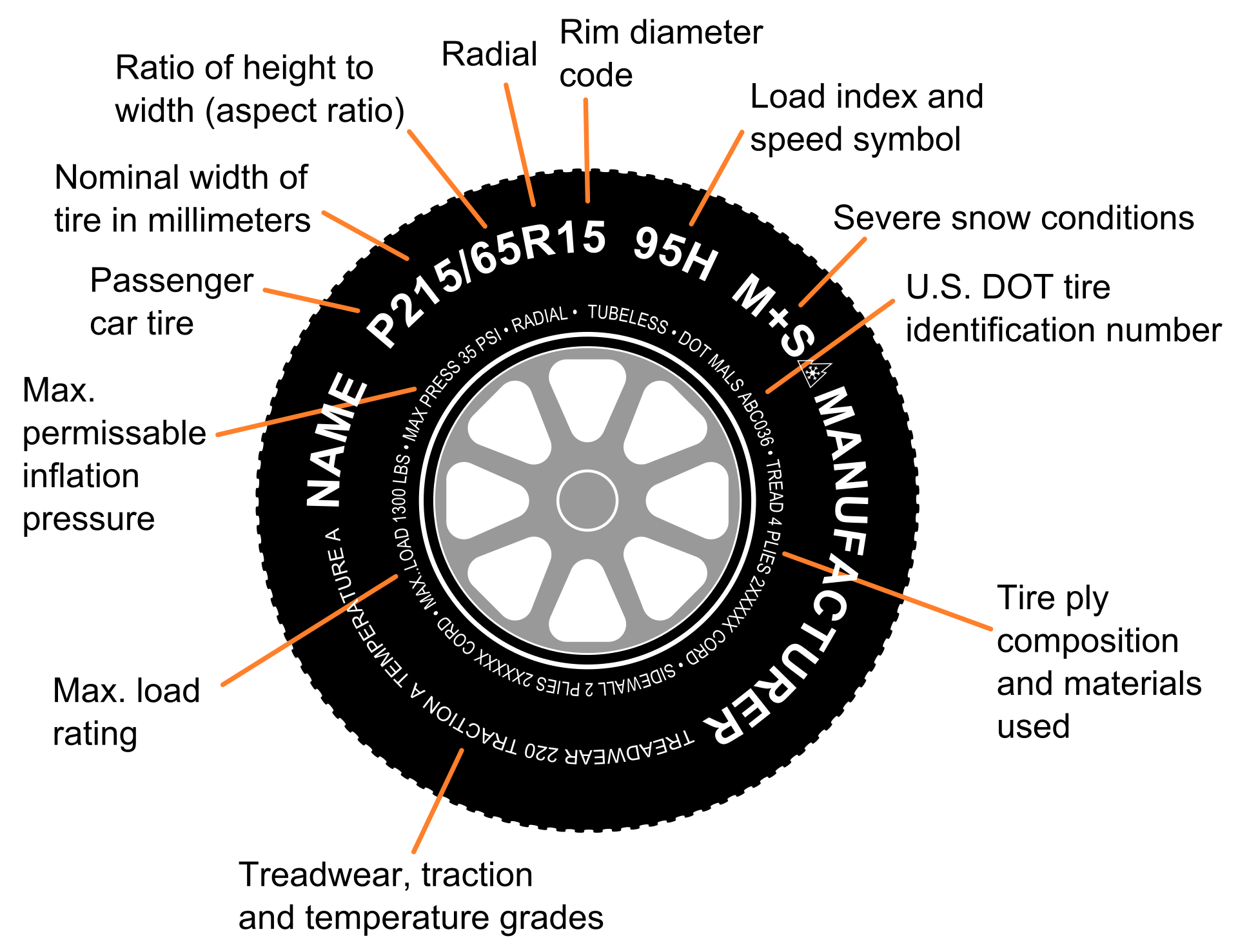
Image via Wikipedia
Reading Tire Sizes and Ratings
Your tire size markings are put in a code along the sidewall and will look something like 295/75R22.5, which will help you quickly determine that your tire is:
295
295 millimeters wide from sidewall to sidewall, which is typical for commercial truck tires that tend to range from 245mm to 315mm wide. A wider tire will distribute your weight more evenly, which increases your load capacity and stability but will reduce your fuel efficiency due to increased contact to the road.
75
This is the aspect ratio, calculated as the sidewall’s height to the tire’s width. In this case, the sidewall height is 75% of the tire’s width. A lower aspect ratio has a stiffer sidewall, which provides more stability, while a higher aspect ratio will provide more cushioning and a softer ride.
R
R indicates that the tire is made with a radial construction, which is the most common configuration for modern truck tires. Radial construction has better heat resistance, a longer tread life, and a noticeably smoother ride compared to bias-ply tires.
22.5
22.5 inch diameter, which is standard for a heavy-duty semi-truck. This is the most commonly used size in North America.
When you are choosing tires, you may consider different variables that will be noted in the code depending on your needs or preferences.
Load Index and Speed Ratings
Your tires will also be rated for their speed and load capacities, which will be important to know in order to stay safe on the road.
Load Index
Your load index is the maximum weight that each tire can support when it’s inflated correctly. A load index of 144 means that the tire can support a load capacity of about 6,175 lbs per tire. You can multiply that by the number of tires in order to determine what your maximum capacity is.
Speed Rating
Your tire’s speed rating is the maximum speed that it can safely handle the road while under a maximum load. The most common ratings are L: for 75 mph, and M: for 81 mph. Make sure that you use a tire that either matches or exceeds your typical operating speeds when you are under a full load. Exceeding these limits increases your risk of skidding, blowouts, and other tire-related issues that can lead to major accidents.
Tire Types for Semi-Trucks and RVs
There are a number of different tire types that are meant for specific positions and applications on your truck. Make sure that you are using the correct tire type in the correct position and for the right reason to get the most life out of them and the safest operating conditions:
Steer Tires
Your steer tires are designed to be mounted on your front axle to give you precise control over steering, consistent stability, and an even wear pattern. They typically have a straighter tread pattern than other tire types for a smooth ride, better fuel efficiency, and reduced vibration through the steering column.
Drive Tires
Drive tires are mounted on the drive axle and offer better traction and durability. These tires have deeper treads than steer tires, and typically come in more aggressive patterns to improve grip during inclement conditions while power is being directly sent to them.
Trailer Tires
Trailer tires don’t steer and don’t need additional traction since they aren’t connected to the drivetrain. These tires are built strong to carry heavy loads while minimizing their rolling resistance. These tires are designed with stability and wear resistance rather than a smooth ride or better grip because they are taking the brunt of the load.
PSI and Its Importance
Making sure that your tires are always properly inflated is critical for staying safe, improving performance, and getting the longest possible life out of your tires.
Recommended PSI Ranges
The right PSI for your tire will depend on a number of factors, but most often your steer tires will call for 105-110 PSI to get optimized weight distribution and the best possible handling, while your drive and trailer tires call for 95-100 PSI and adjustments off that baseline depending on your load.
Impacts of Incorrect Inflation
Overinflation
When your tires are overinflated, your tires will have less tread in contact with the road which will cause an uneven wear pattern and give you much less traction than they are designed to provide. An overinflated tire is at greater risk of impact damage when you hit a pothole or run over debris in the road.
Underinflation
Underinflated tires generate excessive heat buildup, which will drastically increase your risk of a blowout. Even if you don’t have a blowout, though, your fuel efficiency will suffer because of the increased rolling resistance.
Pro Tip: Always check your tire pressure when the tires have sat for at least a few hours, and ideally in the morning before they are used at all and before they’ve been exposed to the sun. Heat will increase the PSI readings, giving you an inaccurate idea of your true PSI.
Effects of Temperature and Load On Your Tires
The ambient temperature and the load you carry will both have a significant impact on your tires’ performance, so it’s important that you know how these conditions will affect your travel:
Temperature Effects
For every 10º change in temperature off of the temperature you filled them at, your tire pressure will increase or decrease by about 2 PSI. This is why underinflation is a common problem in colder climates and why regular checks are essential.
Load Effects
A heavier load will increase your tire pressure and lead to more heat buildup. Make sure that your tires are rated for the load you are carrying to avoid an overload that can lead to serious damage to your tires.
Tire Inspection and Maintenance Practices
Daily Inspections
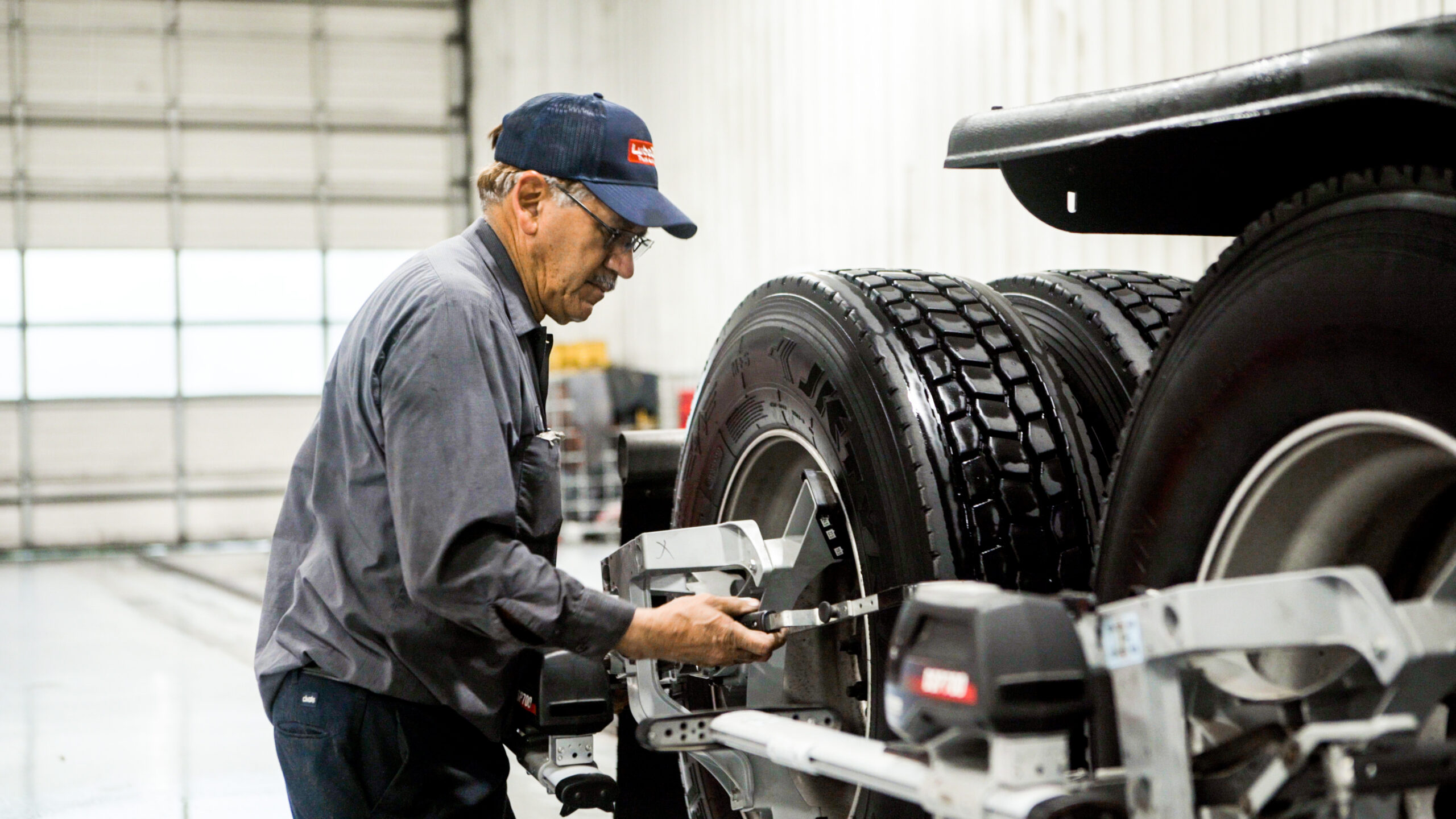
One of the best measures for protecting and caring for your tires is a daily check. Every morning, it’s a good idea to make a visual inspection of each tire for signs of visible damage like cuts, bulges, uneven tread wear, embedded objects, and flats. Remember that the morning is the best time to check your tire pressure, as well, before they have been driven on and ideally before the sun hits any of them. There’s a good chance you’ll notice different readings from a tire in the sun compared to a tire in the shade.
Check that your tread depths meet FMCSA regulations, measuring 4/32” deep on your steer tires and 2/32” for all other axles.
Finally, use a calibrated gauge to confirm the correct PSI for each tire, adding or removing air as necessary.
Reading Wear Patterns
Knowing how to look at a wear pattern on your tire and understand what is going on can be a really helpful way to figure out if there are other, bigger problems.
When a tire wears unevenly, you lose much more material in a concentrated area and ultimately need to replace or retread the tire much sooner, all while there is a lot more material remaining on the rest of the tread. Replacing a tire with an uneven wear pattern is essentially throwing money away.
Alignment and Balance
Keeping your tires aligned and balanced will improve your stability and handling and will help produce even tread wear. If your tires aren’t balanced correctly, you may notice vibration and intense wobbling at certain highway speeds, and you’ll find that the tires quickly form incorrect wear patterns.
Rotating and Replacing Your Tires
It’s important to follow a rotation schedule of every 40,000 – 50,000 miles unless your specific situation calls for rotations on a shorter schedule. You’ll want to fine-tune your schedule based on your tires’ wear patterns and the manufacturer’s recommendations.
Signs It’s Time to Replace Your Tires
When a tread inspection shows that your depth is below the FMCSA limits, you’ll want to correct that immediately. Otherwise, look out for signs of cracking, bulges, or exposed cords, as well as uneven tread wear that can’t be corrected with a rotation.
Should You Retread or Buy New?
Retreading is a cost-effective option if your casing is in good condition and will save you up to 50% compared to the cost of replacing. However, new tires come with new warranties, and you’ll notice better fuel performance on new tires compared to retreads. It’s up to you to run the numbers to decide if it’s a better investment to replace a tire outright or have it retreaded.
Maximizing the Lifespan Of Your Tires
There is a lot you can do to get more life out of your tires, but each of these suggestions requires some extra care and attention. Your efforts will add up to saved money, though, so it’s worth it:
Driving Habits That Will Cause Premature Wear
Harsh braking, sudden acceleration, and driving at high speeds (higher than your tire rating) will all cause your tires to wear out faster than normal. As a side note, these behaviors will also cause your brakes to wear out faster and do a number on your fuel efficiency. Using controlled, gradual acceleration and deceleration will help your truck and tires stay in great shape.
Driving on unpaved or uneven roads will also cause premature wear. A pothole, loose gravel, or uneven terrain can cause punctures in your tires, damage your sidewalls, and will wear your treads out faster. If you have a regular route and part of it is a mess, it might be worthwhile to consider a detour to keep your rig on a smoother roadway, if possible.
Proper Load Distribution For Maximum Tire Longevity
An improperly distributed load can cause significant wear on certain tires and can have a major impact on your rig’s handling.
Balance Your Weight
Make sure that your cargo is distributed evenly across your axles so you don’t overload some tires while others have minimal weight on them. Use load bars and ratchet straps that are rated to contain your lad in order to keep your cargo secure and stable in transit.
Monitor Axle Weights
If possible, use a portable scale or weight station to check that each axle is in compliance with its load limit. If you find that you have an overloaded axle, you are at an increased risk of structural damage and are accelerating the wear and tear on your truck.
Avoid Overloading
When you exceed the weight capacity of your tires, you are accelerating your wear and are drastically increasing the chance of a blowout. An overloaded tire has a lot more pressure on the sidewall and builds heat up a lot higher — a dangerous combination. Always refer to the load limit on your tire sidewall to determine your limit.
Proper Tire Storage
If you don’t use your truck year-round, whether it’s an RV or semi-truck, you will need to take extra care to make sure that your tires are stored properly to keep them strong and stable.
Store in a Cool, Dry Place
Your tires shouldn’t be exposed to direct sunlight, adjacent to heat sources, or in a high moisture environment. All of these factors will cause rubber to degrade rapidly.
If you are going to store your tires outside, make sure you use tire covers to keep them out of direct UV ray exposure.
Elevate Off the Ground
Use jack stands and storage blocks to elevate your truck and tires so you reduce the risk of flat spots. If you can’t elevate your truck, move it every week or two slightly so you are redistributing weight.
Clean Before Storing
Give your tires (and your whole truck) a good cleanup before storing it, paying attention to things like dirt, grease, and debris that can cause chemical damage. Don’t use harsh cleaning agents on your tires because they can cause dry rot.
Avoiding Road Hazards
Road hazards are a major contributor to degraded tire health, but there are some proactive steps you can take to help mitigate the risk.
Watch for Debris
If you can avoid driving over sharp objects like nails, glass, metal, and other obstacles, you’ll reduce the risk of puncturing or tearing your sidewall. When you’re on the highway, keep an eye out for debris up ahead.
Check After Impact
Sometimes, though, you have no choice but to hit debris. When that happens, stop and inspect your tire for visible damage and keep an eye on your PSI for slow leaks that might indicate something lodges in the tread. If you notice minor damage, repair it before it gets worse.
Use Wide-Base Tires When the Conditions Call For It
If you operate in areas with rough roads and a lot of debris, like on a jobsite, wide-base tires will give you more stability and can often resist certain types of damage better than a standard-width tire.
Regular Tire Inspections
As we’ve already mentioned, inspecting your tires is essential for identifying problems before they get worse:
Check Your Tread Depth
Use a tread depth gauge to stay compliant with FMCSA requirements: 4/32” for steer tires and 2/32” for others. Replace any tire that doesn’t meet these requirements.
Monitor Your Sidewalls
Keep an eye out for things like bulges, cracks, thinning, or fraying that might be a sign of weakening. If your sidewall is damaged, you typically need to replace the tire outright.
Inspect Your Valve Stems
Always make sure that your valve stems are in good working order and hold a tight seal so they don’t leak air.
Alignments, Balances, and Rotations
Extending the life of your tires requires that you keep your steering aligned, rotate your tire mounts with regularity, and keep them in balance.
Alignment
A misaligned axle will cause your treads to wear unevenly, particularly your steer tires. Check your alignment with every tire rotation, every 12 months, or if you hit something significant — whichever comes first.
Balancing
If your tires are out of balance, you’ll notice vibrations at highway speeds and uneven tread wear. You won’t notice the wear on your suspension until something goes wrong. Every time you install new tires or do a rotation, you should do a balance.
Rotations
Rotate your tires every 40,000 – 50,000 miles, or as the manufacturer recommends. For an RV, make sure you rotate your tires after it’s been stored for an extended period of time.
Using Your Tire Pressure Monitoring System
A reliable TPMS will help you monitor your PSI in real time, which can alert you to issues such as low leaks, underinflation, or overinflation. Most modern trucks come with built-in TMPS on your system dashboard.
Whether yours is a built-in or third party, a TMPS will notify you of major pressure changes and irregularities, which will help you maintain consistent PSI to avoid uneven tread wear and extend the life of your tires.
High-Quality Retreading Options
Retreading is a cost-effective and eco-friendly way to extend the life of your tires by minimizing waste and cutting down on your expenses. A retread can save up to 50% compared to a new tire, and they perform comparably to a new tire in terms of safety and durability. You can only retread a tire that has a casing in good condition and is free from structural damage.
Handling Emergency Tire Situations
If you spend enough time on the road, avoiding a tire-related emergency can be almost impossible. Here are a few situations and how to handle them safely:
Dealing With a Blowout
If you have a tire blowout, don’t panic. Keep both hands on the wheel and stay in control of your steering, working to keep moving straight ahead or slightly off toward the side of the road while gradually reducing your speed. Get to a safe location out of the way of oncoming traffic where you can park and get your reflective triangles or flares set out.
Safe Tire Changes On the Road
When it comes time to deal with a blowout or flat, you need to take the proper safety steps first. Wear high-visibility clothing so you are visible to oncoming drivers, and get your reflective triangles or flares set out right away in accordance with FMCSA §392.22 guidelines.
Make sure you use wheelchocks before lifting the truck so you are certain it’s stable, and make sure you are using the correct tools to stay safe.
When you’ve replaced your tire, make sure you check all of the lugs and confirm that your PSI is within the correct range.
LubeZone’s Tire Services
Remember that LubeZone is here to help you keep your tires in great condition.
Tire Services We Offer
Inspections
We will check your tread depth, inflation levels, and review your tires for any signs of damage.
Rotations
We will balance your tires based on wear patterns so you can extend the life of your tires and safely get the most out of them.
Replacements
When it comes time for a replacement, we offer both new and retreaded tires depending on your needs and preferences.
Convenient Locations
We have LubeZone locations across the country in strategic locations to help our trucker partners keep their trucks in excellent condition.
Visit LubeZone To Care For Your Truck With Ease
Taking care of your tires is a cost-saving effort that will help you stay safe and reduce the risk of an accident. LubeZone is a trusted partner for countless truckers across the United States, and we’re proud to offer our support. We’re here to help you keep up with preventative maintenance, oil and fluid needs, and your tire care.
Visit your nearest LubeZone location today to get the tire care you need from the experts.

LubeZone is the fastest growing dedicated semi-truck service in the United States with locations in Texas, California, Oklahoma, North Carolina, and Georgia. Our preventative maintenance solutions are designed to get the professional driver back on the road FAST.
