


Fleet Manager’s Guide to Comparing National Service Providers
May 21, 2026
How to Prepare Your Semi Truck for Long Hauls
May 26, 2026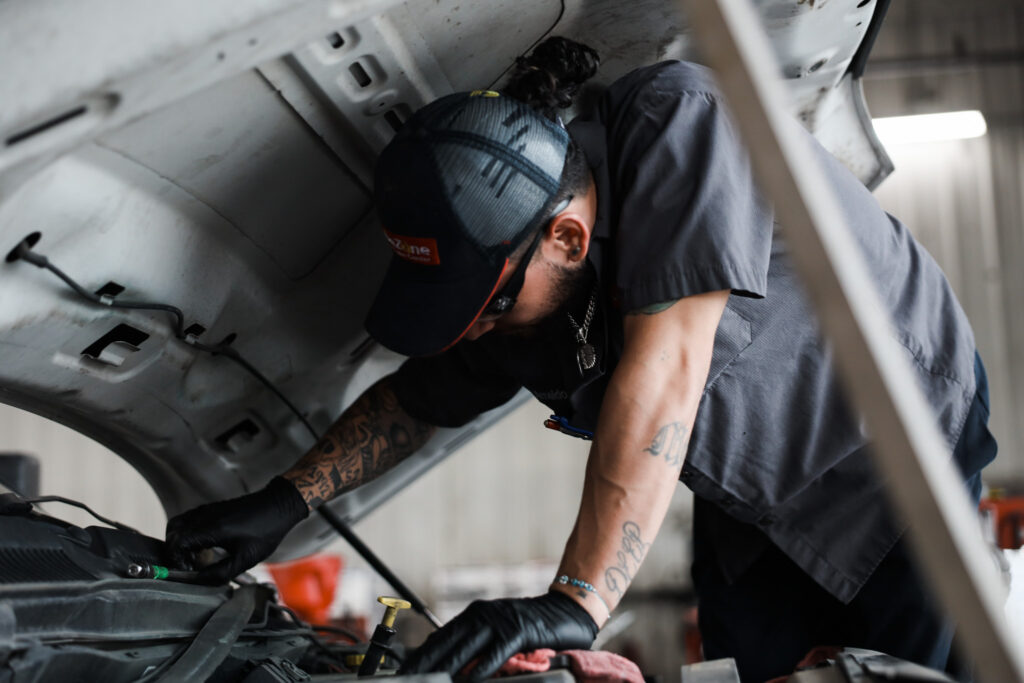
Recently updated on July 29th, 2026
The Ultimate Guide to Vehicle Engine Maintenance
Your engine is the heart of your truck, and making sure you are giving it the proper care and maintenance is key to keeping it running reliably and efficiently for a long time to come. By making sure that you keep up with regular maintenance, you can stay on top of issues before they become catastrophic, avoid breakdowns, and improve your fuel efficiency — which can save you money and improve your bottom line as a commercial driver.
In this guide, we will go over some important strategies for maintaining your diesel engine so that it runs optimally. Remember that LubeZone offers a range of semi-truck maintenance services that will keep your rig in great shape at any of our convenient locations across the US. Read more to get an idea of how important these services are and some work you can do on your own. Contact us today to talk about customized maintenance service schedules, or show up to one of our locations to get your truck taken care of today.
The Role of Engine Maintenance
If we needed to summarize the role of engine maintenance into one word, it would be “longevity,” but the reality is that it plays an important role for a number of reasons, including:
- Longevity
- Avoids costly repairs
- Maintains optimal performance
- Keeps your engine running smoothly
- Improves efficiency
- Ensures reliability
Every time a technician looks under your hood, they have the opportunity to identify any issues that may be arising and can address them before they become major issues. A semi-truck diesel engine is a powerful piece of machinery and can often power through performance issues. The problem is that these issues can become significant, and ignoring them can turn inexpensive and simple fixes into major, expensive repairs or replacements.
Understanding Your Vehicle’s Engine
Knowing about how your engine works is important for keeping it maintained well, whether or not you will be doing the work yourself. Knowing, generally, the components of your engine and how they work together will help you make quick assessments and understand what might need some extra attention or immediate care.
Anatomy of a Vehicle Engine
Your engine is made up of a number of important components, each of which plays an important role in the engine’s function. Some of the most important are:
- Cylinders: Fuel combustion takes place in the cylinders through compression, unlike a gas engine where spark plugs ignite the fuel.
- Pistons: The pistons are pushed up and down by combustion, and this motion generates power.
- Crankshaft: The crankshaft is a piece of machinery that converts the motion of the pistons into rotational energy.
- Camshaft: This component is in charge of opening and closing the engine’s valves.
- Valves: The valves allow fuel and air into the cylinders and exhaust to escape.
- Timing Belt: The timing belt, as the name suggests, keeps the crankshaft and camshaft running synchronously.
It wouldn’t be fair to say that any single component of an engine is more important than another, because if one stops working then the entire operation ceases.
Regular Engine Check-ups: Essential Practices
Regular check-ups are the key to keeping your engine running efficiently and reliably, and incorporating routine inspections into your regimen will help you identify possible problems before they turn into major issues. Below, we’ll cover some important practices for making sure your engine is running smoothly and getting the care it needs.
Routine Engine Inspections Explained
A routine engine inspection is critical for a number of reasons. Give these things a check:
- Oil Levels: Make sure your oil levels are within the correct range to avoid engine damage.
- Coolant Levels: Your coolant keeps your engine from overheating. Make sure it’s at the right level.
- Belts and Hoses: Check for things like rot, wear and tear, cracks, or fraying.
- Leaks and Noises: It’s always a good idea to check under your truck (after backing it up a few feet) in the morning for unusual leaks and keep an ear out for strange noises — both of which could be signs of bigger problems.
The Significance of Engine Oil
Engine oil is the lifeblood of your engine. It plays a few really important roles in keeping your engine healthy:
- Lubrication: Oil acts to reduce friction between metal components in the engine, which both prevents wear and tear and reduces heat buildup from friction.
- Cooling: In addition to reducing friction, oil also draws heat away from critical components.
- Cleaning: Finally, oil captures contaminants like dust, dirt, and grime and draws them out of the engine to be caught in the oil filter.
How To Check Your Oil Levels
- Park on Level Ground: Make sure your truck is level so the oil is evenly distributed through the system.
- Warm the Engine: Run your engine for a bit to bring it up to temperature. This will get the oil to its functional viscosity and ensure an accurate reading.
- Cool the Engine: If the truck has been running, let it cool for 15 to 20 minutes. A warm engine, not hot, is ideal.
- Find and Clean the Dipstick: The dipstick is usually brightly colored. Pull it out and wipe it with a rag or napkin to remove the oil, then put it back in until it sits.
- Check the Oil Level: Once you put the dipstick all the way back in, pull it back out slowly and carefully. Check the markings on the gauge to see where your oil levels are in comparison to the recommended amount.
Maintaining Your Cooling System for Optimal Performance
- Check Coolant Levels: Make sure that you are in the habit of checking your coolant levels and topping them off when necessary.
- Inspect Radiator and Fans: Check your radiator for punctures or buildup. Make sure the fins are clean and that your fans are free of obstructions and working correctly.
- Replace Coolant Fluid: Make sure you refer to the owner’s manual on how to replace your coolant fluid.
The Importance of Clean Air Filters
Your air filters are also essential components for keeping your engine running efficiently by capturing dirty and debris before it makes it to the engine intake. Leave this task to the professionals to keep the filter from being damaged.
Care for Your Fuel System
If your oil is the blood of your engine, your fuel is, well, the fuel. Keeping your fuel system healthy is another important element of proper routine maintenance, and some steps can be done on your own with ease.
Keeping Fuel Injectors Clean
Use fuel additives intermittently to keep your injectors clean. Make sure that you are following the guidelines of both the injector and your vehicle’s manual — too much of a good thing can cause problems. In addition, make sure that you have routine inspections by professionals to check the injectors and make sure they are functioning the way they should.
The Necessity of Regular Fuel Filter Replacement
Fuel filters protect your fuel system from dirt, debris, and other contaminants that can cause widespread havoc in your system. It’s important to replace them when you are noticing difficulty starting the engine or a reduction in power output. Talk to a LubeZone professional about getting on a replacement schedule for replacing your filters according to the manufacturer’s recommendations.
Ensuring Battery and Electrical System Health
Your battery is critical for your truck to function properly, so it’s important that you stay on top of the battery and system health.
Battery Maintenance Checks
An unreliable battery means your truck won’t reliably start. Follow these steps:
- Check Charge Levels: Make sure your batteries are adequately charged, and check the level at both the start and end of the day to make sure your alternator is working properly.
- Inspect Connections: If you see corrosion on the clips or wiring harness, it could be a sign of a leaky battery. Also, make sure all connections are secure.
- Replace When Necessary: Your battery should be replaced if it isn’t able to hold a charge, is leaking acid, or showing other signs fo failure.
Electrical System Inspections for Uninterrupted Engine Start
- Starter Motor: Make sure your starter motor is functioning correctly.
- Alternator: This charges your battery effectively. Weak charges are either a sign of a bad battery or a failing alternator.
- Wiring: Check your wiring for signs of wear, damage, or stripping.
The Importance of Belt and Hose Inspections
Your belts and hoses keep things moving properly, so part of your engine maintenance should involve, at minimum, a visual inspection of these components with some regularity.
Identifying Wear and Tear on Belts and Hoses
- Inspect for Cracks and Fraying: The most common sign of a problems with your belts are cracks or fraying. Belts are made of many individual fibers coated in rubber, so if you start to see white strands it could be a sign of any number of issues.
- Check for Leaks and Bulges: If you see any misshapen or leaky areas of a hose, get it replaced right away.
Troubleshooting Common Engine Problems
The following are just a few of the many different engine problems you may encounter in your semi-truck. These are a few problems and some ways of troubleshooting:
Overcoming Engine Overheating
If you notice that your engine is overheating or running hot, start by checking your coolant levels, radiator, and fans. Look for coolant leaks. Whether or not you can identify the problem on your own, make sure you get your truck into a service center right away — overheating can cause serious engine damage.
Addressing Poor Fuel Efficiency and Rough Idling
If you are noticing that your fuel efficiency is dropping or your truck is idling roughly, these could be signs of many different issues, including:
- Fuel System Issues: You may have dirty injectors or clogged filters, but the best way to determine the root of your fuel system problems is by bringing your truck to LubeZone.
- Air Intake Issues: Another problem could be your air intake. Check your air filters for dirt or clogging, and again, make sure you bring your truck to a professional for a proper installation.
Seasonal Engine Maintenance Tips
The way you need to maintain your truck will change with the seasons. Here are a few tips to keep things going well throughout the year:
Winter Care for Your Engine
Preparing your truck for cold weather requires a few important steps:
- Use Winter Oil: LubeZone can help you change your oil for the right winter-ready oil that won’t get too thick in cold temperatures.
- Check Antifreeze Levels: Make sure that your antifreeze is at the right level to keep things from freezing, which can, paradoxically, lead to overheating.
Summer Maintenance Strategies
In the summertime, you will also need to make a few important adjustments:
- Inspect Your Cooling System: We already talked about the importance of inspecting and maintaining your cooling system, but here’s another reminder. Check your coolant levels and make sure your radiator is running efficiently.
- Check Battery Health: Heat can lead to poor battery performance, so keep an eye on it and replace it if necessary.
Long-term Engine Care and Preventive Measures
The following are a few tips on long-term engine care and reiterating the importance of preventative maintenance. Remember that by partnering with LubeZone, you can stay on top of potential problems before they become real issues, keeping your operation costs low while your truck stays reliable and efficient.
Extending Your Engine’s Life Through Preventive Maintenance
Preventative maintenance will keep your engine, drivetrain, and all other components running smoothly. Make sure you stay on top of regular check-ups and never put off repairs. If something is acting up in your truck, get it taken care of before a $200 fix turns into a $2000 fix.
The Value of Maintenance Records and Manufacturer’s Schedule
Keep detailed records of your maintenance and stick to the right schedule, so you’ll know when it’s time to stop in, no matter where you are. You never need an appointment, making it easy to keep your tire maintenance up to date. Keep a log of your maintenance activities so you can identify any recurrent problems, and follow the manufacturer’s guidelines to keep your truck performing optimally.
Maximizing Your Vehicle’s Lifespan through Engine Care With LubeZone
Being diligent about maintaining your engine is critical, and LubeZone is here to help you stay on top of it. In this guide, we’ve been over a number of important practices and strategies, including:
- Regular Inspections: By incorporating regular inspections into your work, you can identify problems with your belts, hoses, oil levels, and coolant levels, as well as other issues like strange noises or idling problems.
- Understanding Engine Components: You don’t need to be a mechanic to drive a truck, but it’s important that you know the key parts like the cylinders, pistons, and crankshafts so you can have a better idea of what could be going wrong.
- System Maintenance: Paying attention to each individual system — your cooling system, fuel system, and air filtration system, to name a few — will help keep everything in optimal condition.
- Battery and Electrical Health: Making sure your batteries and electrical system are functioning properly will keep your truck running reliably and efficiently.
- Seasonal Care: Giving your truck proper seasonal care will keep things running smoothly in any season and weather condition.
Contact LubeZone To Schedule Maintenance Care Today
Call or drive into one of our many locations to get routine maintenance for your truck. We hope this guide helps you identify ways to take care of your vehicle on your own, and why partnering with the professionals at LubeZone is such an important part of trucking.

LubeZone is the fastest growing dedicated semi-truck service in the United States with locations in Texas, California, Oklahoma, North Carolina, and Georgia. Our preventative maintenance solutions are designed to get the professional driver back on the road FAST.
