
Emergency Maintenance Hacks Every Long-Haul Trucker Should Know
October 8, 2025
Semi Truck Maintenance During Off-Seasons
February 19, 2026
Recently updated on February 26th, 2026
If you have failed DOT inspection, the next steps are crucial to getting your semi-truck back on the road. A failed DOT inspection can shut down your operation in minutes and result in thousands of dollars in lost revenue. When enforcement officers find serious violations during a roadside inspection, the consequences take effect immediately and can remain on your record for years. Understanding what happens when your truck fails a DOT inspection helps you prepare for the worst-case scenario and take steps to prevent it from happening.
The Federal Motor Carrier Safety Administration (FMCSA) conducted over 3.5 million inspections in recent years, with failure rates climbing above 20% for many violation categories. This inspection pass/fail rate is alarming for motorists and expensive for drivers and fleet managers. That’s because these failures don’t just mean paperwork and delays. They trigger a cascade of problems that affect drivers, carriers, and fleet operations across the board.
At LubeZone Truck Lube Center, we take pride in helping drivers, owner-operators, and fleet managers stay on the road and in compliance. With a wide range of preventative maintenance services that can help you avoid costly downtime and DOT inspections available at select locations, we work tirelessly to help you protect your investment. Continue reading to discover more about common truck inspection violations and how to ensure your routes proceed smoothly.
If you fail a DOT inspection, your vehicle or driver may be placed out of service immediately, meaning you cannot continue operating until the issue is resolved. Common reasons for failure include brake problems, tire issues, lighting defects, fluid leaks, and driver log violations.
Failing an inspection can result in fines, CSA score penalties, increased insurance costs, and greater inspection scrutiny in the future. To return to service, the violation must be corrected, and in some cases, the vehicle must pass a follow-up inspection.
Immediate Consequences of Failing a DOT Inspection
What happens if your truck fails a DOT inspection? When your vehicle fails a DOT inspection, the enforcement officer makes an immediate decision about your ability to continue operating. The severity of violations determines whether you receive citations and fines or face an out-of-service order (OOS) that stops your truck cold. There are strict FMCSA inspection rules that inspectors must follow.
Here, they’ll issue citations and fines for documented violations and provide you with the paperwork detailing your truck’s specific issues. You may receive an immediate out-of-service (OOS) notice, which can also result in costly towing fees. Otherwise, you’ll receive notice of how long you have to correct the truck inspection violations to remain in compliance.
Can You Keep Driving After a Failure?
Your ability to continue driving after a roadside inspection failure depends entirely on the specific violations found during the inspection. The FMCSA maintains strict out-of-service criteria that determine when a commercial vehicle poses an immediate safety risk.
Non-critical violations that allow continued operation:
- Minor lighting issues that don’t affect visibility.
- Documentation problems or missing paperwork.
- Equipment defects that don’t compromise immediate safety.
- Violations with fix-it timeframes.
- Problems that can be resolved at the destination.
Critical violations result in immediate shutdown:
- Brake system defects or failures.
- Tire problems, including tread depth or damage.
- Steering system malfunctions.
- Load securement failures.
- Hours-of-service violations.
When and Why an Out-of-Service Order Is Issued
Enforcement officers issue out-of-service orders when they discover violations that meet specific FMCSA criteria for immediate safety risks. The decision follows federal guidelines, not officer discretion, and applies to drivers, vehicles, or carriers, depending on the type of violation.
Vehicle Orders:
- Brake violations and system failures.
- Steering defects that affect control.
- Tire problems, including tread depth or damage.
- Structural issues affecting vehicle integrity.
- Drivers cannot move the truck until fixed.
Driver Orders:
- Hours-of-service violations.
- Medical certification problems.
- Commercial driver’s license issues.
- Drug and alcohol testing failures.
- These prevent the driver from operating any commercial vehicle.
Carrier Orders:
- Pattern violations across fleet operations.
- Operating without proper authority.
- Systematic safety compliance failures.
- These affect all company vehicles and drivers.
Common Violations That Lead to Failure
Understanding the most frequent inspection failures helps you focus maintenance efforts on problem areas that consistently trigger out-of-service orders. Below are the most common categories of truck inspection violations.
- Brake System Defects. Air system leaks, insufficient braking performance, missing or damaged brake components, and more.
- Tire Violations. Tread depth below-allowed values, damaged tires, improper sizing, and more.
- Lighting and Electrical Issues. Burned-out lights, non-functioning turn signals, missing lights and components, and more.
- Hours-of-Service Problems. ELD errors, missing or incomplete logs, duty status violations, insufficient rest periods, and more.
Driver vs. Vehicle Violations
Understanding the difference between driver and vehicle violations, as well as failed DOT inspection next steps, helps you respond appropriately when facing inspection failure. These categories determine who bears responsibility for corrections and what steps you must take to return to service.
Driver Violations:
- Hours-of-service problems and log violations.
- Medical certification issues or expired physicals.
- Commercial driver’s license problems.
- Drug and alcohol testing failures.
These truck inspection violations follow the driver, regardless of the vehicle operated, and often require waiting periods or specific corrective actions.
Vehicle Violations:
- Mechanical defects and equipment failures.
- Brake issues and tire problems.
- Lighting problems and electrical defects.
- Structural damage affecting safety.
These truck inspection violations prevent the operation of specific trucks until they are repaired, but do not affect the driver’s ability to work. They typically require a qualified mechanic certification for repairs.
Combination Violations:
- Load securement problems affect both categories.
- Hazardous materials violations.
- Weight and dimension issues.
These violations can trigger both driver and vehicle out-of-service orders.
What an Out-of-Service Order Actually Means
What happens if your truck fails a DOT inspection and gets an OOS? An out-of-service order creates an immediate legal prohibition against continued operation until the violations are resolved. Moving a vehicle or operating as a driver under an active out-of-service order can result in severe penalties.
Legal consequences of violating an out-of-service order:
- Fines up to $25,000 for continued operation.
- Potential criminal charges for willful violations.
- Additional CSA points and safety score impacts.
- Possible license suspension or revocation.
- Enhanced penalties for repeat violations.
Documentation requirements to lift orders:
- Vehicle repairs require a qualified mechanic certification.
- Driver violations require medical updates or log corrections.
- Proof that all cited problems have been corrected.
- Re-inspection verification for complex repairs.
- Proper paperwork must accompany the vehicle during future inspections.
Enforcement agencies share out-of-service information across jurisdictions, making it impossible to avoid compliance by crossing state lines. The violation follows your record and affects future inspections regardless of where it occurred.
How a Failed Inspection Affects Carriers and Drivers
Failed inspections create immediate costs and long-term consequences that extend far beyond the roadside encounter. Understanding these significant impacts is essential for drivers and fleet managers everywhere.
CSA Score Penalties
The Compliance, Safety, Accountability (CSA) program assigns severity points for every violation discovered during inspections. These points can have a lasting impact on your safety profile and business operations.
How CSA scoring affects your operations:
- Points accumulate over 24 months and create safety scores.
- Higher scores trigger increased inspection targeting.
- Recent violations carry more weight than older ones.
- Out-of-service violations receive maximum point values.
- Scores remain visible for a whole 24-month period.
CSA score consequences:
- More frequent roadside inspections.
- Higher scrutiny from enforcement officers.
- Intervention actions from FMCSA for poor scores.
- Difficulty securing quality freight and contracts.
- Enhanced penalties for repeat violations.
Insurance and Reputation Risks
Failed inspections can have lasting impacts that extend beyond immediate fines and downtime. Insurance companies and their customers are increasingly using safety data to inform business decisions.
Insurance impacts:
- Premium increases based on CSA scores.
- Policy cancellations for poor safety records.
- Higher deductibles for carriers with violations.
Business reputation consequences:
- Brokers use inspection history when selecting a carrier.
- Poor safety scores limit access to premium freight.
- Long-term contracts become harder to secure.
Steps to Return to Service After a Violation
Returning to service after an out-of-service order requires specific steps and proper documentation. Understanding these requirements and the failed DOT inspection next steps helps to minimize downtime and avoid additional penalties.
For vehicle violations:
- Obtain qualified repairs from certified mechanics.
- Obtain written certification that the defects have been corrected.
- Ensure repairs meet applicable safety standards.
- Keep all repair documentation with the vehicle.
- Some violations require re-inspection before the unit can be returned to service.
For driver violations:
- Complete mandatory rest periods for hours-of-service issues.
- Update medical certifications or physical examinations.
- Correct electronic logging device problems.
- Provide the required documentation to the enforcement.
- Wait for clearance before resuming operations.
Documentation must remain available for verification during future inspections. Officers can request additional information if questions arise regarding the quality of repairs or compliance.
How to Avoid a Failed DOT Inspection in the Future
Proactive maintenance and thorough preparation provide the best defense against DOT inspection failures. Focus on common problem areas that consistently trigger violations.
Essential maintenance priorities:
- Establish comprehensive brake system maintenance schedules.
- Monitor tire conditions and replace them before the legal limits are reached.
- Check all lighting systems regularly.
- Maintain current hours-of-service logs and documentation.
- Address mechanical issues before they become safety problems.
Professional maintenance advantages:
- Regular oil changes support overall reliability.
- Air filter replacement prevents engine problems.
- Professional tire repair addresses issues before violations.
- Comprehensive preventive maintenance catches problems early.
- LubeZone locations with certified inspectors help maintain compliance.
The cost of prevention always beats the price of violation. Failed inspections result in immediate expenses, long-term impacts on safety scores, and business reputation issues that far exceed the investment in regular maintenance and professional inspections.
Visit a LubeZone Truck Lube Center Today
LubeZone is proud to offer DOT inspections at select locations, along with a wide range of preventive maintenance services, including oil changes, tire checks, tractor and trailer grease, and more.
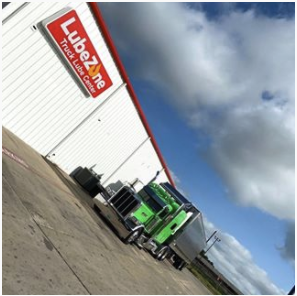
LubeZone is the fastest growing dedicated semi-truck service in the United States with locations in Texas, California, Oklahoma, North Carolina and Georgia. Our preventative maintenance solutions are designed to get the professional driver back on the road FAST.
